
Families
Together for safer families
We are here to support you, and help improve relationships within your family.
At Capa First Response CIC, we understand the challenges that come with child-to-parent aggression and harmful behaviours. We know that families often feel isolated, judged, and misunderstood. That’s why we offer FREE specialist, tailored support for parents and carers of children—including neurodiverse young people up to 25yrs.
All our support is available online regardless of your location. You can join us on our weekly drop-in sessions immediately.
Online drop-in sessions
These virtual drop-in sessions are a safe space for parents/caregivers to connect, share experiences, and listen to evidence based strategies from our experienced practitioners.
We can support you with understanding the potential drivers behind this issue along with a live Q&A session.
These sessions are held every Wednesday from 12.30-13.30pm. GMT. Also the last Tuesday of every month 7.00-8.00pm GMT
Places are free but you must book your space here on Eventbrite.
Whether you’re seeking guidance or simply want to chat with others who understand, this event is for you. All sessions take place on Zoom, which is free to use on your smartphone or computer.
What attendees say after their first drop-in:
“This was my first time joining and it was a very positive experience”.
“Thanks so much. This was the most useful hour I’ve had in a long time!”
“The session was brilliant. Thank you so much”
Advice and Support Sessions
Families can access up to three advice and support sessions with a specialist practitioner. These focused sessions offer clear strategies, guidance and understanding to help change what is happening at home.
Our approach is grounded in evidence-based frameworks including Attachment Theory, Neuroscience, Pro-Social Modelling and Solution-Focused practice and takes a whole-family view of what is driving the behaviour, not just the behaviour itself.
Parents consistently share with us the impact of these conversations including:
“Thank you so much for your support. It has made a real difference to our lives. I don’t think we could have gotten here without it.”
“It’s great to speak with someone who is so clued up and intelligent. You’ve really understood my situation, and I’ve had so many breakthrough moments. This has taken the shame away. Before this, I felt too embarrassed to tell anyone what was happening. Engaging with Capa has helped eliminate that shame.”
Our practitioners also describe the impact:
“When I first started at Capa, I wasn’t sure how 30 minutes with a family could make a difference. Six months in, I completely understand. We focus on helping parents understand the why behind the behaviour, not just the what. When families rediscover compassion for themselves and their child, mindsets shift. For some, the change is immediate, a noticeable reduction in aggression or harm almost overnight. For others, small steps and small moments build into big change.”
These sessions give families space to reflect, regroup and reconnect, while building safety, confidence and hope.
Group Work
After completing advice and support sessions, many parents tell us they want the chance to meet others who truly understand their situation and to continue embedding the strategies they have learned. To support this, we offer a six-week group programme, available during the day or in the evening. Each session lasts two hours and continues our focus on bespoke, tailored support now enhanced by peer connection and shared experience.
Parents often describe the group as a turning point. Being alongside others who “get it” reduces shame, builds confidence, and helps parents apply strategies in real-life moments. As one parent shared:
“For me, keeping the boundary separate from the validation was such a revelation (although it feels so ridiculously obvious!)”
Families tell us the group gives them space to reflect, practise new approaches, feel less alone, and notice meaningful change at home. It is a place where understanding deepens, relationships strengthen, and hope becomes something they can feel again.
What to do if your child is being aggressive

Talking too much to anyone who is in a heightened emotional state can escalate the issue: they are unlikely to be able to listen and respond in a calm way
It's tempting to try to reason at this point with your child or demand they stop but this isn't always the best thing to do
"I can see that [specific issue] has made you angry/upset/frustratedyou are angry and you are allowed to be angry. I can imagine how that feels.
Stay present (if safe) and use few words to let your child know you are there. Continue to validate feelings, or if this escalates remain quiet.
If you are in danger or fear for anyone in the home call the police.
Make sure you have your phone with you so you can contact the police or a friend for help and support.
You can find 4 ways to keep calm in stressful situations with your child in this video. Do give it a watch to arm yourself with some mechanisms for the future.
Sometimes, things can get intense at home. Children and young people might struggle to manage big feelings and act out in ways that are frightening or hard to manage.
A safety plan helps you:
- Stay safe during those moments
- Reduce harm to anyone in the home
- Take steps to calm things down
- Know what to do and who to call for help
You can use and modify our safety plan below, and you may also find these tips for talking to your child about safety helpful.
What families say about us:
Feedback from a parent we supported
“Matt reassured me that it is indeed difficult to change the way we have reacted all our lives (over generations in fact) and it is really a matter of practice. Sometimes I was very discouraged, but then I would attend another session and feel encouraged to try again. It was good that Matt always reminded us parents to think about the successful moments (however small)… Thank you very much for your amazing work”

Understanding the Impact of Smartphones on Children and Teens: A Guide for Parents
We know that for many children a smartphone is a necessity, so they can communicate with their parents when away from home, use digital travel passes, access their school-related emails and homework… they’re ‘smart’ for a reason. In fact, in today's digital age,...

3 Strategies for De-Escalating Violence from Your Child
Violence in the home can be a distressing and frightening experience for any parent or carer. When children direct aggression toward their parents, it not only disrupts the household harmony but also poses significant emotional and physical risks. Understanding how...

5 Tips to Help Your Child Control Their Anger
Anger is a normal and healthy emotion, but it can become overwhelming and difficult to manage, especially for children. As a parent or carer, it's important to guide your child in understanding and controlling their anger. This will help them cope with challenging...
Supporting Your Child Through Exam Stress
Supporting Your Child Through Exam Stress and managing any aggressive or harmful behaviours is vital, this guide shares some strategies you can use with your child to help them through this tricky time.

How to support a child with Emotional Based School Avoidance (EBSA)
Emotional Based School Avoidance (EBSA) refers to a child's refusal to attend school due to severe emotional distress. In this blog post, we will explore the complexities of school refusal and offer insights into managing the associated challenges.

One family’s personal experience of working with Capa First Response (Audio)
A mum records her experience, feelings and the outcome from working with Capa First Response
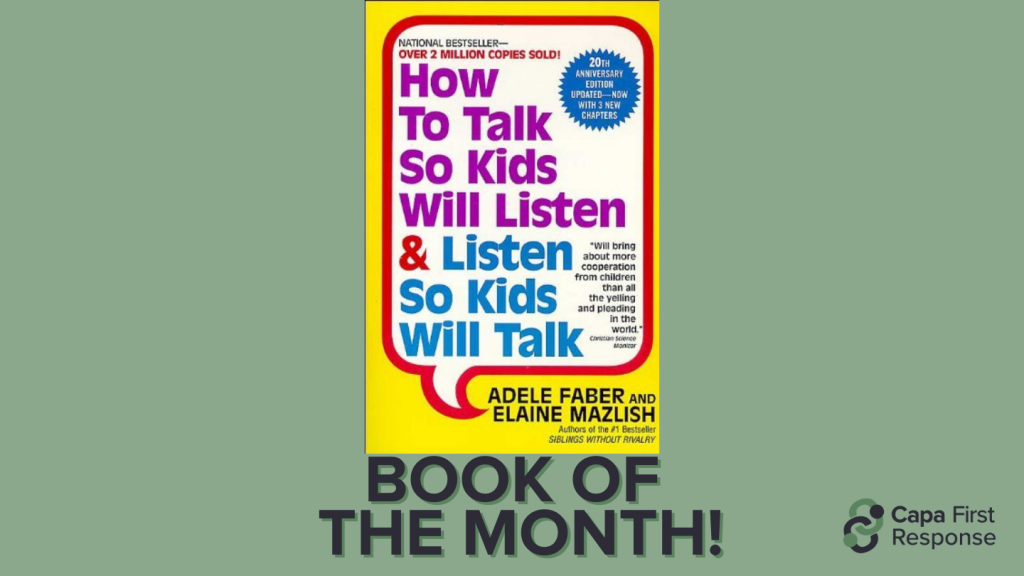
Books: How to Talk so Kids Will Listen…
This month Helen, our Evaluation Officer has picked our 'book of the month'. Helen recommends it as a 'must read for parents, useful for all stages of childhood and on into teenager years!' "How to Talk So Kids Will Listen & Listen So Kids Will Talk," offers...
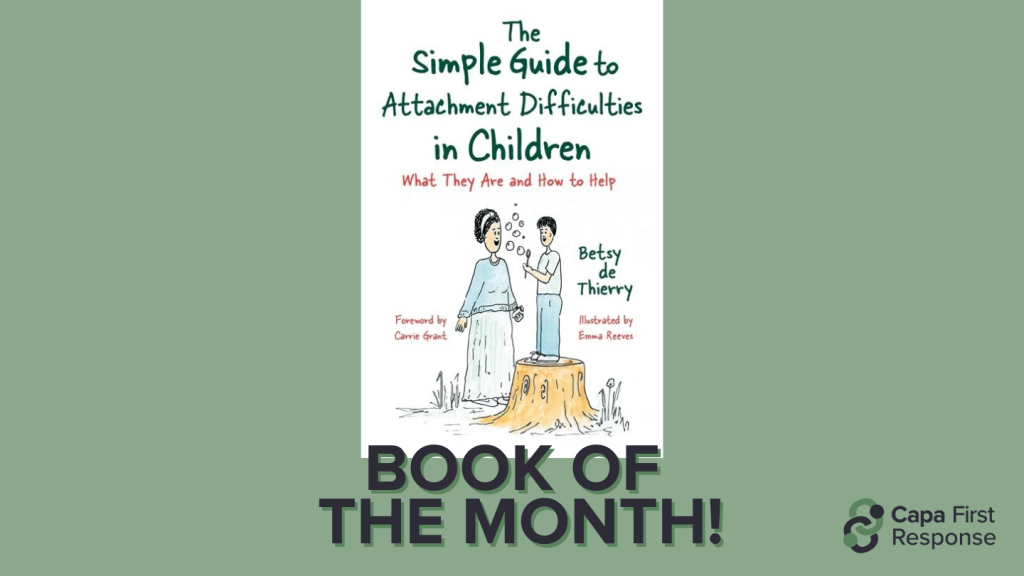
The Simple Guide to Attachment Difficulties in Children: Book Review
This months 'book of the month' is "The Simple Guide to Attachment Difficulties in Children: What They Are and How to Help," by Betsy de Thierry. The book offers a comprehensive resource for parents/carers navigating the complex terrain of attachment issues in...
10 tips for improving communication with your child
Ten tips you can try to being to improve communication with your child for a happier, healthier home environment.